The Origin of the Tape Measure
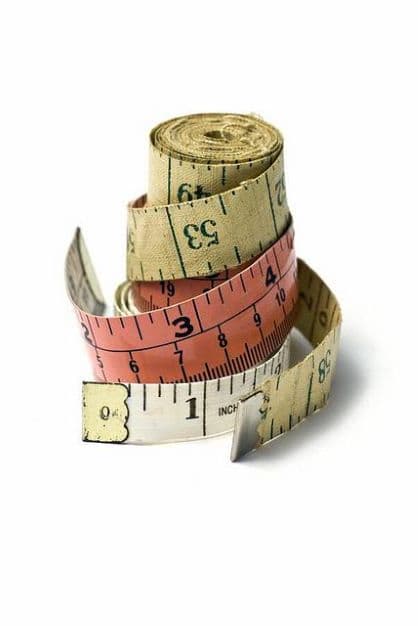
Have you ever wondered how the tape measure was invented? It's a tool that is used all the time by seamstresses and other professionals, but its origins remain less widely known.
Ancient Origins
The Romans were among the first to use measuring devices, employing marked strips of leather to measure fields. While these weren't tape measures as we know them today, they set the foundation for portable measurement tools.
The Modern Tape Measure
The modern tape measure was invented by William H. Bangs on December 6, 1864, at his factory in West Meriden, Connecticut. His goal was to create a pocketable tape measure that could roll up back into a small shape for convenient pocket storage.
Early tape measures used various materials including cloth, metal, plastic, and wood. Bangs's malleable metal design with a spring mechanism became popular due to its compact, foldable nature.
Evolution Timeline
Long tape measures were invented, measuring greater distances but lacking increment markings.
Rivets were added to show feet and inches.
Hiram A. Farrand patented a concave-convex design (Patent #1,402,589), becoming the standard for pocket tape measures.
Farrand and William Wentworth Brown mass-produced these measures, eventually selling to Stanley Works.
Modern Developments
Contemporary tape measures include retractable models with spring mechanisms and digital versions using lasers for enhanced accuracy. From Roman leather strips to laser-guided precision, the humble tape measure has come a long way — yet remains an indispensable tool in every seamstress's kit.